
Giới thiệu
Hãy tưởng tượng bạn bước đến cửa văn phòng và cánh cửa tự động mở khóa trước khi tay bạn kịp chạm vào thẻ. Không còn phải lục lọi trong túi. Không còn lo quên thẻ ra vào. Không còn phải chia sẻ mã PIN. Tòa nhà đơn giản là nhận diện được bạn là ai và cho phép bạn đi qua. Đây không phải là khoa học viễn tưởng — đó là thực tế mới của công nghệ nhận diện khuôn mặt không tiếp xúc trong hệ thống kiểm soát ra vào, và nó đang thay đổi cách chúng ta nhìn nhận về an ninh.
Đại dịch COVID-19 đã thay đổi căn bản mối quan hệ của chúng ta với các bề mặt chung, đẩy nhanh xu hướng chuyển đổi sang mô hình “không tiếp xúc” trong mọi lĩnh vực. Tuy nhiên, điều bắt đầu như một yêu cầu cấp thiết về vệ sinh đã phát triển thành một điều gì đó sâu sắc hơn nhiều: một cuộc cách mạng an ninh lấy người dùng làm trung tâm, trong đó sự tiện lợi và quyền riêng tư được đặt ngang hàng với việc bảo vệ. Ngày nay, công nghệ nhận diện khuôn mặt đang vượt ra khỏi những hệ thống cồng kềnh, phụ thuộc vào đám mây, để hướng tới các giải pháp biên thông minh có khả năng xử lý dữ liệu sinh trắc học ngay tại chỗ, giúp giữ thông tin nhạy cảm đúng nơi nó thuộc về — trên chính thiết bị, chứ không phải trên các máy chủ từ xa.
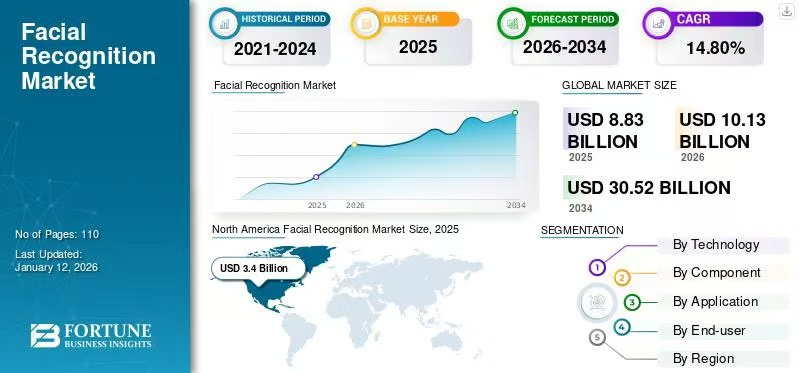
Các con số cho thấy một bức tranh đầy thuyết phục. Thị trường nhận diện khuôn mặt toàn cầu đạt 1.883 tỷ USD vào năm 2025 và dự kiến sẽ vượt mốc 30 tỷ USD vào năm 2034, với tốc độ tăng trưởng kép hàng năm (CAGR) là 14,801%. Thị trường sinh trắc học không tiếp xúc, bao gồm công nghệ này, đang tăng trưởng thậm chí còn nhanh hơn — từ $25,84 tỷ vào năm 2025 lên mức dự kiến $59,61 tỷ vào năm 2030. Trong bối cảnh này, các giải pháp thế hệ mới như camera kiểm soát truy cập Simpo-data đang định nghĩa lại những gì có thể thực hiện được ở giao điểm giữa an ninh và trải nghiệm người dùng.
Sự chuyển đổi từ mã thông báo sang danh tính
Trong nhiều thập kỷ qua, kiểm soát truy cập thường gắn liền với chìa khóa, thẻ nhận dạng, mã PIN hoặc thông tin xác thực trên thiết bị di động — tất cả đều là những phương tiện có thể bị mất, bị đánh cắp, bị chia sẻ hoặc bị quên. Một báo cáo gần đây của Thanh tra Tổng cục Liên bang Hoa Kỳ đã chỉ ra những rủi ro an ninh nghiêm trọng do việc quản lý thẻ truy cập vật lý không đúng cách. Những lỗ hổng này không chỉ gây bất tiện mà còn tốn kém và nguy hiểm.
“Thẻ và mã PIN có thể bị chia sẻ, dễ bị mất và không ổn định về mặt vận hành,” chuyên gia kiểm soát truy cập Michal Vilagi nhận định. “Ngược lại, công nghệ sinh trắc học gắn quyền truy cập với con người, chứ không phải vật thể.” Sự chuyển đổi từ “bạn có gì” sang “bạn là ai” thể hiện một sự tái định hình cơ bản về kiến trúc an ninh.
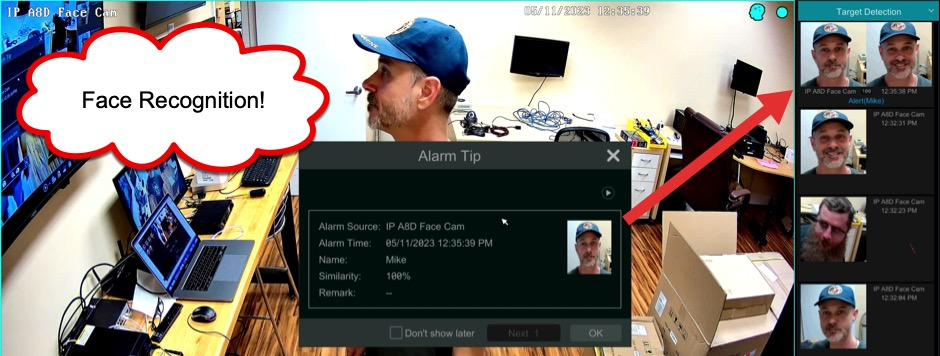
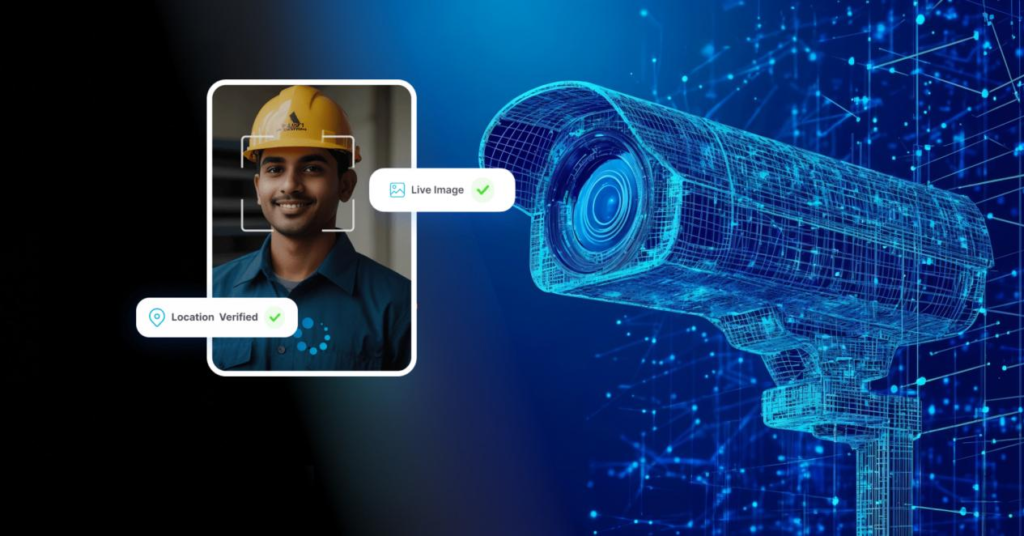
Sự khác biệt về trải nghiệm người dùng là rất rõ rệt. Với các hệ thống truyền thống, nhân viên phải mất thời gian chờ đợi tại quầy lễ tân, khách đến phải điền vào các biểu mẫu giấy, còn đội ngũ an ninh thì phải xử lý vô số trường hợp thay thế thẻ ra vào. Công nghệ nhận diện khuôn mặt không tiếp xúc như camera kiểm soát ra vào Simpo-data giúp loại bỏ hoàn toàn những rào cản này. Người dùng chỉ cần tiến lại gần, nhìn vào camera là có thể vào khu vực trong vòng chưa đầy một giây — không cần bất kỳ tương tác vật lý nào.
Công nghệ đằng sau sự chuyển đổi
Điều gì khiến các hệ thống nhận diện khuôn mặt hiện đại khác biệt cơ bản so với các hệ thống tiền nhiệm? Câu trả lời nằm ở ba đột phá công nghệ có mối liên hệ chặt chẽ với nhau: xử lý AI tại thiết bị đầu cuối, công nghệ phát hiện sự sống động tiên tiến và kiến trúc “bảo vệ quyền riêng tư ngay từ thiết kế”.
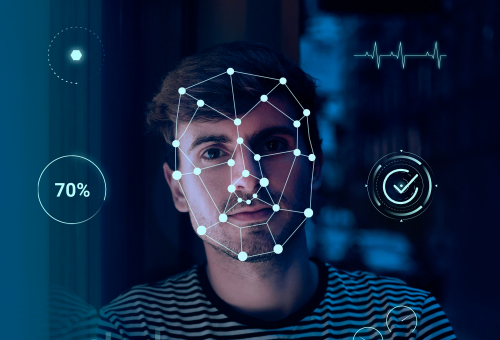
Xử lý AI tại thiết bị (Edge AI) có nghĩa là quá trình đối chiếu sinh trắc học diễn ra trực tiếp trên thiết bị — chứ không phải trên đám mây. Khi camera kiểm soát truy cập Simpo-data ghi lại khuôn mặt, hình ảnh sẽ được chuyển đổi thành một mẫu toán học được mã hóa và so sánh ngay tại thiết bị với cơ sở dữ liệu người dùng được ủy quyền đã lưu trữ. Không có thông tin nhạy cảm nào được truyền ra khỏi thiết bị. Phương pháp này giúp loại bỏ độ trễ và các lỗ hổng bảo mật liên quan đến việc truyền dữ liệu qua đám mây, đồng thời tuân thủ các yêu cầu ngày càng nghiêm ngặt về lưu trữ dữ liệu tại địa phương.
Việc phát hiện sự sống động cũng quan trọng không kém. Công nghệ phát hiện sự sống động của khuôn mặt giúp phân biệt khuôn mặt thật với khuôn mặt giả — dù là ảnh chụp, video phát lại hay mặt nạ in 3D tinh vi — thông qua các phương pháp kỹ thuật phân tích kết cấu da, các biểu cảm vi mô và thậm chí cả tín hiệu lưu lượng máu. Các hệ thống hiện đại như RealSense ID Pro đạt chứng nhận Phát hiện Tấn công Trình bày Cấp độ 2 của iBeta, tiêu chuẩn cao nhất trong ngành về khả năng chống lại các nỗ lực giả mạo tinh vi. Hình ảnh nhiệt bổ sung một lớp bảo mật nữa bằng cách xác minh dấu hiệu nhiệt độ của da sống.
“Bảo mật ngay từ thiết kế” là trụ cột thứ ba. Các hệ thống hàng đầu chỉ lưu trữ các mẫu sinh trắc học đã được mã hóa, chứ không phải hình ảnh khuôn mặt thực tế. Việc tuân thủ GDPR đã được tích hợp sẵn vào kiến trúc hệ thống ngay từ ngày đầu tiên, với các tính năng như “Mẫu khuôn mặt trên thiết bị di động” cho phép người dùng lưu trữ dữ liệu khuôn mặt của chính họ trên thiết bị cá nhân thay vì trong cơ sở dữ liệu của công ty. Cách tiếp cận này giúp người dùng chuyển từ vai trò đối tượng thụ động sang trở thành những người tham gia tích cực trong việc bảo vệ dữ liệu của chính mình.
Tác động trong thực tế: Từ sân bay đến các tòa nhà thông minh
Thử thách thực sự đối với bất kỳ công nghệ nào chính là hiệu quả hoạt động của nó trong những môi trường thực tế đầy thách thức. Tại đây, công nghệ nhận diện khuôn mặt không cần chạm đang mang lại những kết quả rõ rệt.
Các sân bay và khu vực kiểm soát biên giới là những môi trường kiểm soát ra vào đầy thách thức nhất — với hàng triệu hành khách, không chấp nhận bất kỳ sai sót nào và áp lực thời gian cực lớn. Tại Dubai, NEC và emaratech đã lắp đặt sáu cổng thông minh sinh trắc học tại Trung tâm Điều hành Sân bay của flydubai, thay thế việc kiểm tra thủ công bằng quy trình xác minh danh tính hoàn toàn tự động. Danh tính của phi hành đoàn được xác thực gần như ngay lập tức, giúp tối ưu hóa quy trình làm thủ tục tại một trong những sân bay nhộn nhịp nhất thế giới.
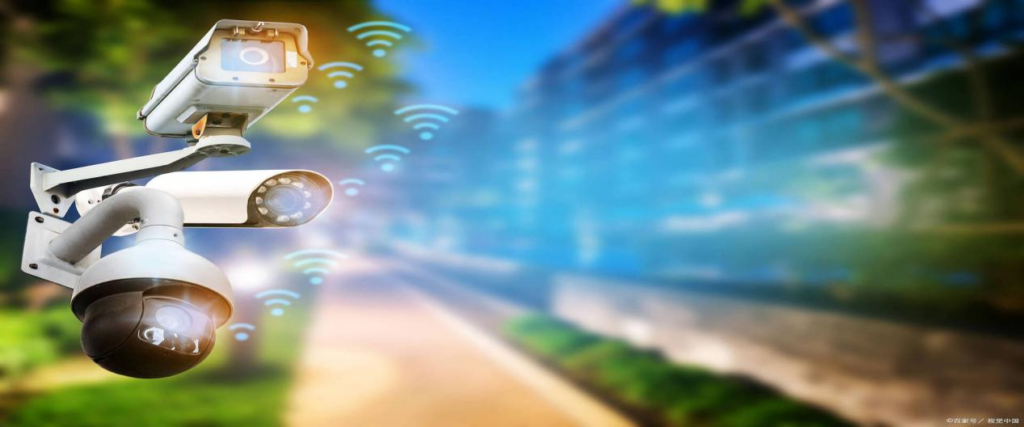
Tại Sân bay Quốc tế Daytona Beach, một dự án nâng cấp hệ thống an ninh trị giá 15 triệu USD đã triển khai lắp đặt các camera nhận diện khuôn mặt sinh trắc học trên toàn bộ cơ sở. Hệ thống được hỗ trợ bởi trí tuệ nhân tạo (AI) này sử dụng công nghệ học máy để tối ưu hóa quy trình kiểm soát ra vào của nhân viên đồng thời vẫn đảm bảo các tiêu chuẩn an ninh nghiêm ngặt. Dự án nâng cấp này minh chứng cho khả năng triển khai các camera kiểm soát ra vào Simpo-data cùng các công nghệ tương tự trong các cơ sở hạ tầng quy mô lớn mà không gây gián đoạn hoạt động hàng ngày.
Các khuôn viên doanh nghiệp và tòa nhà thông minh cũng là một lĩnh vực quan trọng không kém. Các thiết bị đọc nhận diện khuôn mặt Amico của HID được thiết kế dành cho các khu vực có lưu lượng người qua lại cao, nơi năng suất và quy trình ra vào thuận tiện là những ưu tiên hàng đầu. Việc tích hợp với các hệ thống quản lý danh tính kỹ thuật số cho phép các tổ chức quản lý thông tin xác thực vật lý và kỹ thuật số trên một nền tảng thống nhất — một lợi thế vận hành đáng kể đối với các môi trường làm việc kết hợp và các cơ sở có nhiều địa điểm.
Quản lý khách truy cập cũng đang được chuyển đổi. Giải pháp FaceMe Security 8.7 của CyberLink cho phép các tổ chức thay thế quy trình đăng ký thủ công bằng các quy trình nhận diện khuôn mặt an toàn. Khách ngắn hạn, nhà cung cấp và đối tác có thể được cấp quyền truy cập có thời hạn vào các khu vực được chỉ định mà không cần phải chạm vào thẻ tạm thời.
Khám phá các vấn đề về quyền riêng tư, tuân thủ và niềm tin
Việc áp dụng công nghệ nhận diện khuôn mặt không tránh khỏi những tranh cãi. Những lo ngại về quyền riêng tư là hoàn toàn chính đáng, và các khung pháp lý đang phát triển nhanh chóng để giải quyết những vấn đề này. Các tổ chức triển khai công nghệ này phải đối mặt với một bối cảnh phức tạp về các yêu cầu tuân thủ.
Theo Quy định chung về bảo vệ dữ liệu (GDPR) tại châu Âu, dữ liệu sinh trắc học được bảo vệ chặt chẽ hơn với tư cách là dữ liệu thuộc “loại đặc biệt”, đòi hỏi phải có sự đồng ý rõ ràng. Mức phạt đối với hành vi lạm dụng có thể lên tới 20 triệu euro. Tương tự, Đạo luật Bảo mật Thông tin Sinh trắc học của bang Illinois (BIPA) cũng áp đặt các yêu cầu nghiêm ngặt về sự đồng ý và công bố thông tin, với mức phạt lên tới 17.500 euro cho mỗi vụ việc. Trong một vụ việc gần đây, cơ quan bảo vệ dữ liệu Tây Ban Nha AEPD đã phạt một công ty 10 triệu euro vì triển khai nhận diện khuôn mặt mà không có Đánh giá Tác động Bảo vệ Dữ liệu (DPIA) đầy đủ.
Chìa khóa để triển khai một cách có trách nhiệm nằm ở tính minh bạch và quyền lựa chọn của người dùng. Các tổ chức cần thông báo rõ ràng về loại dữ liệu được thu thập, cách thức xử lý dữ liệu, cũng như cách người dùng có thể từ chối hoặc xóa thông tin của mình. Các camera kiểm soát truy cập dữ liệu Simpo đáp ứng các yêu cầu này thông qua các tính năng bảo mật tích hợp sẵn, bao gồm mã hóa, tối ưu hóa dữ liệu và ghi nhật ký sẵn sàng cho việc kiểm toán.
Sự đồng ý không chỉ là việc đánh dấu vào một ô chọn một lần duy nhất — đó là một mối quan hệ liên tục. Người dùng phải có thể rút lại sự đồng ý bất cứ lúc nào, và các tổ chức nên cung cấp các phương thức truy cập thay thế cho những người không muốn sử dụng sinh trắc học. Điều này có thể bao gồm thông tin xác thực trên thiết bị di động, mã QR hoặc thẻ RFID truyền thống được sử dụng song song.
Ngành công nghiệp đang dần thống nhất xung quanh các phương pháp hay nhất: xử lý dữ liệu ngay trên thiết bị để giảm thiểu rủi ro rò rỉ dữ liệu, lưu trữ các mẫu dữ liệu đã được mã hóa thay vì hình ảnh thô, và thực hiện các cuộc kiểm tra an ninh định kỳ bao gồm thử nghiệm xâm nhập và đánh giá lỗ hổng bảo mật. Khi được triển khai một cách thận trọng, công nghệ nhận diện khuôn mặt thực sự có thể tăng cường quyền riêng tư bằng cách loại bỏ nhu cầu chia sẻ thông tin đăng nhập và thu hẹp diện tích tấn công đối với hành vi đánh cắp danh tính.
Con đường phía trước: Tương lai của hệ thống kiểm soát ra vào sẽ ra sao?
Khi hướng tới nửa sau của thập niên 2020, một số xu hướng mới nổi sẽ định hình thế hệ tiếp theo của hệ thống kiểm soát ra vào không tiếp xúc.
Các hệ thống nhận biết ý định đang dần xuất hiện trên thị trường. Nền tảng sinh trắc học ID Pro mới được RealSense ra mắt đã vượt ra khỏi phạm vi nhận diện đơn thuần để hướng tới hệ thống kiểm soát truy cập có khả năng nhận biết bối cảnh — những hệ thống không chỉ hiểu bạn là ai, mà còn hiểu lý do bạn tiếp cận và những gì bạn đang cố gắng truy cập. Trí tuệ bối cảnh này sẽ cho phép áp dụng các chính sách bảo mật tinh tế và linh hoạt hơn.
Các biện pháp chống lại deepfake đang trở nên thiết yếu. Khi trí tuệ nhân tạo tạo sinh (generative AI) khiến việc tạo ra các video giả mạo trông rất chân thực trở nên dễ dàng hơn, ngành công nghiệp đang phản ứng bằng các công nghệ phát hiện sự sống động (liveness detection) tinh vi hơn, có khả năng phân tích các dấu hiệu tinh tế như sự biến dạng góc nhìn và các mẫu dòng chảy quang học. Các hệ thống trong tương lai sẽ kết hợp nhiều yếu tố xác thực — ví dụ như nhận diện khuôn mặt kết hợp với phát hiện khoảng cách thông qua công nghệ băng tần siêu rộng (ultra-wideband) — để xây dựng hệ thống phòng thủ đa tầng chống lại các mối đe dọa mới nổi.
Sự tích hợp đa phương thức sẽ làm mờ ranh giới giữa các phương pháp sinh trắc học khác nhau. Các camera kiểm soát truy cập Simpo-data hàng đầu hiện đã được thiết kế để hoạt động song song với nhận diện lòng bàn tay, quét mống mắt và phân tích hành vi, giúp các tổ chức điều chỉnh chiến lược an ninh phù hợp với mức độ rủi ro cụ thể và sở thích của người dùng.
Công nghệ điện toán biên và khả năng hoạt động ngoại tuyến đảm bảo hệ thống kiểm soát truy cập vẫn hoạt động ngay cả khi mạng bị gián đoạn. Buổi trình diễn của Durin và Qualcomm tại MWC Barcelona 2026 đã cho thấy các hệ thống kiểm soát truy cập dân dụng có thể xử lý toàn bộ dữ liệu sinh trắc học trên phần cứng tại chỗ mà không phụ thuộc vào đám mây. Phương pháp này mang lại cả mức độ bảo vệ quyền riêng tư cao hơn lẫn độ tin cậy được cải thiện.
Thị trường công nghệ sinh trắc học không tiếp xúc dự kiến sẽ tăng gần gấp đôi vào năm 2030, đạt 1.459,61 tỷ USD khi các tổ chức trong mọi lĩnh vực ngày càng áp dụng phương thức xác thực không tiếp xúc. Sự tăng trưởng này phản ánh một sự chuyển đổi cơ bản trong cách chúng ta nhìn nhận về an ninh — từ các cổng kiểm soát và nhân viên bảo vệ sang những trải nghiệm liền mạch, thông minh và lấy người dùng làm trung tâm.
Kết luận
Công nghệ nhận diện khuôn mặt không tiếp xúc không chỉ đơn thuần là một bước nâng cấp công nghệ so với hệ thống kiểm soát ra vào truyền thống. Nó thể hiện một sự chuyển đổi về triết lý: an ninh không nên được coi là một rào cản. Thay vào đó, nó phải là một lớp bảo vệ vô hình, hoạt động mượt mà, vừa bảo vệ con người vừa tôn trọng thời gian, nhân phẩm và quyền riêng tư của họ.
Hệ thống kiểm soát ra vào tốt nhất chính là hệ thống mà bạn hoàn toàn không nhận ra sự hiện diện của nó — cánh cửa tự động mở ra khi bạn đến gần, thang máy đã đến trước khi bạn kịp nhấn nút, và bạn có thể thoải mái sinh hoạt hàng ngày mà không cần bận tâm đến việc xác thực danh tính hay các trạm kiểm soát. Đây chính là tương lai mà công nghệ nhận diện khuôn mặt không tiếp xúc đang từng bước kiến tạo, qua từng điểm kiểm soát.
Đối với các tổ chức đang cân nhắc việc áp dụng công nghệ này, con đường phía trước đã rất rõ ràng: ưu tiên trải nghiệm người dùng, đầu tư vào các công nghệ bảo vệ quyền riêng tư, luôn đi trước các yêu cầu pháp lý, và lựa chọn những giải pháp coi an ninh và sự tiện lợi là những giá trị bổ sung cho nhau chứ không phải đối lập. Với việc triển khai một cách chu đáo, công nghệ nhận diện khuôn mặt không tiếp xúc có thể mang lại chính xác những gì thế giới hiện đại đang đòi hỏi — một hệ thống an ninh hoạt động vì con người, chứ không phải chống lại họ.
 Tiếng Việt
  English
  Deutsch
  Русский
  Français
  Português
  Español
  Italiano
  简体中文
简体中文  हिन्दी
  العربية
  বাংলা
বাংলা  Bahasa Indonesia
  日本語
日本語  Türkçe
  ไทย
ไทย  فارسی
فارسی  Bahasa Melayu